
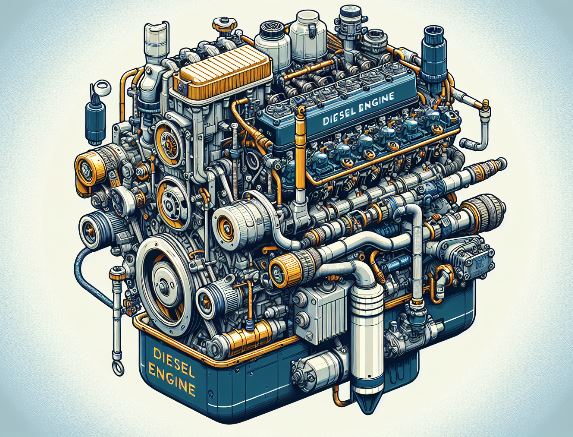
This section provides tips and trix for engine and mechanical maintenance and upgrades.
Avoid corrosion on iron keels
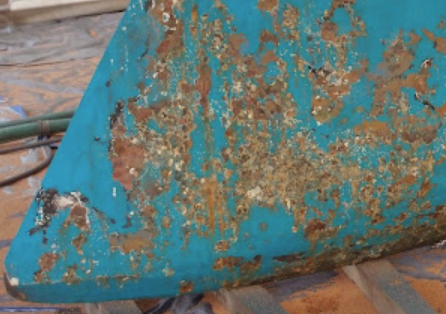
Iron keels on sailing boats, often made from cast iron, are popular in many sailboats because they are relatively inexpensive and provide good ballast weight. However, iron is much more prone to corrosion than lead, especially in the harsh marine environment where saltwater and oxygen are abundant.
How Corrosion Happens:
- Electrochemical Reaction: When iron is exposed to oxygen and moisture (especially saltwater, which accelerates the process), it undergoes an electrochemical reaction that produces iron oxide — commonly known as rust.
- Damage to Protective Coatings: Most iron keels are protected by layers of primer, epoxy, and antifouling paint. If these layers are damaged (e.g., by grounding, scratches, or impact), the bare iron is exposed and starts rusting quickly.
- Pitting: In some cases, especially if the keel is left unprotected for long periods, localized areas of intense corrosion (pitting) can develop, leading to deeper structural damage.
Typical Signs of Corrosion:
- Rust streaks or staining on and around the keel.
- Flaking or bubbling paint where corrosion is happening underneath.
- Rough, uneven surface texture on the keel.
- “Weeping” rust, where rusty water leaks out of small pits or cracks.
Prevention and Maintenance:
- Surface Preparation: If rust appears, the keel needs to be stripped back to clean metal, often by sandblasting or heavy mechanical grinding.
- Epoxy Coating: A high-quality epoxy primer should be applied to the bare metal as soon as possible to prevent new oxidation.
- Fairing: Sometimes an epoxy filler is used to smooth out rough areas before applying more protective coats.
- Multiple Protective Layers: After priming, several layers of epoxy barrier coat are applied, followed by antifouling paint.
- Anodes: Installing sacrificial anodes (usually zinc) on the keel can help protect it from galvanic corrosion, especially if the boat is in the water year-round.
Special Notes:
- Even if a keel looks fine from the outside, hidden corrosion at the keel-hull joint (“keel stub”) can be a serious issue. Look for signs like cracking or rust stains at the joint.
- Boats kept in freshwater will experience slower corrosion compared to saltwater, but it’s still an issue over time.
- Annual inspection and touch-up of coatings is crucial for iron keels.